
























Automation - A powerful force to boost IT productivity
Automation has become a game-changing tool for businesses to improve IT productivity by streamlining manual, time-consuming tasks. According to McKinsey, automation could drive global productivity growth by up to 1.4% annually. Its influence is evident across industries, with enterprises leveraging this technology to enhance efficiency:
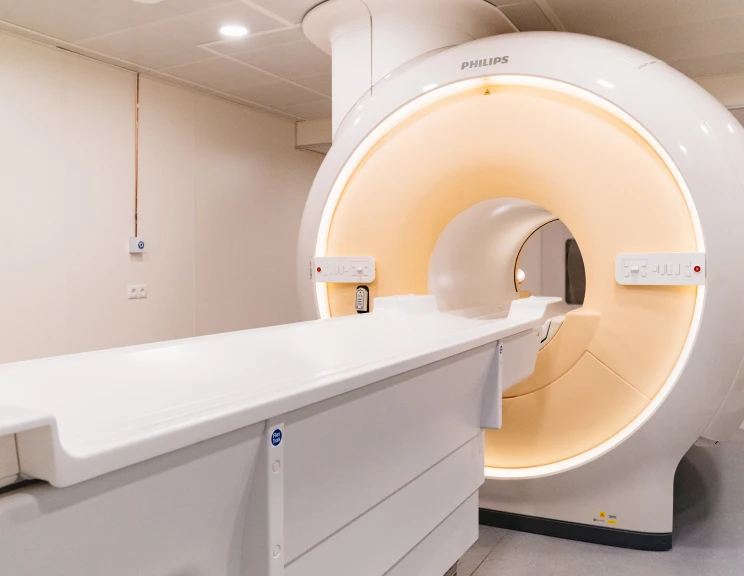
- Healthcare: Automation optimizes administrative tasks such as scheduling, billing, and data entry, allowing healthcare professionals to focus more on patient care. Indeed, about 43% of tasks in healthcare (such as administering claims or processing clinical data) show technical automation potential.
- Manufacturing: By performing repetitive tasks such as assembling components and inspecting products for defects, automated systems operate faster than human workers. As a result, manufacturers can minimize downtime and reduce the need for manual labor. Specifically, 54% of senior leaders indicated that automation had a positive impact on speed and quality for manufacturing operations.
- IT Operations: FPT’s AIOps solution leverages AI to automate, streamline, and optimize IT service management and operational workflows. This has led to a 60% reduction in mean time to repairanda 50% decrease in critical incidents. Additionally, the solution reduced IT teams' manual workload by up to 50% and delivered a 20% cost savings through automation.
Stepping up with Cognitive Automation
Cognitive automation takes the benefits of traditional automation a step further by integrating Artificial Intelligence (AI), Machine Learning (ML), and Natural Language Processing (NLP). Unlike conventional automation that follows predefined rules, cognitive automation can learn from data, adapt to new information, and make context-aware decisions.
This ability allows businesses to automate more complex tasks, such as incident management, service desk support, and predictive maintenance. With the cognitive automation market projected to reach approximately 36.09 billion USD by 2032, businesses should invest in these advanced technologies to stay competitive.
Powering cognitive automation with FPT
At FPT, cognitive automation is unlocking new efficiencies, with advanced solutions such as AIOps (AI-powered IT operations) streamlining IT service management and optimizing operational workflows. In episode 5 of our Talk to Experts series, Mr. Tran Quang Tin - Deputy Head of Hyperautomation Program of FPT Software at FPT Corporation - shares how AIOps is transforming operations by leveraging AI to automate complex processes.
In this episode, he will be sharing his expertise on the following topics:
- The challenges faced by IT process management with traditional automation;
- How cognitive automation is addressing these challenges;
- How FPT has implemented cognitive automation to optimize operational processes;
- And our approach to responsible automation implementation by combining both automation and human expertise.
Click on the link below to gain more business insights from our specialist:


