


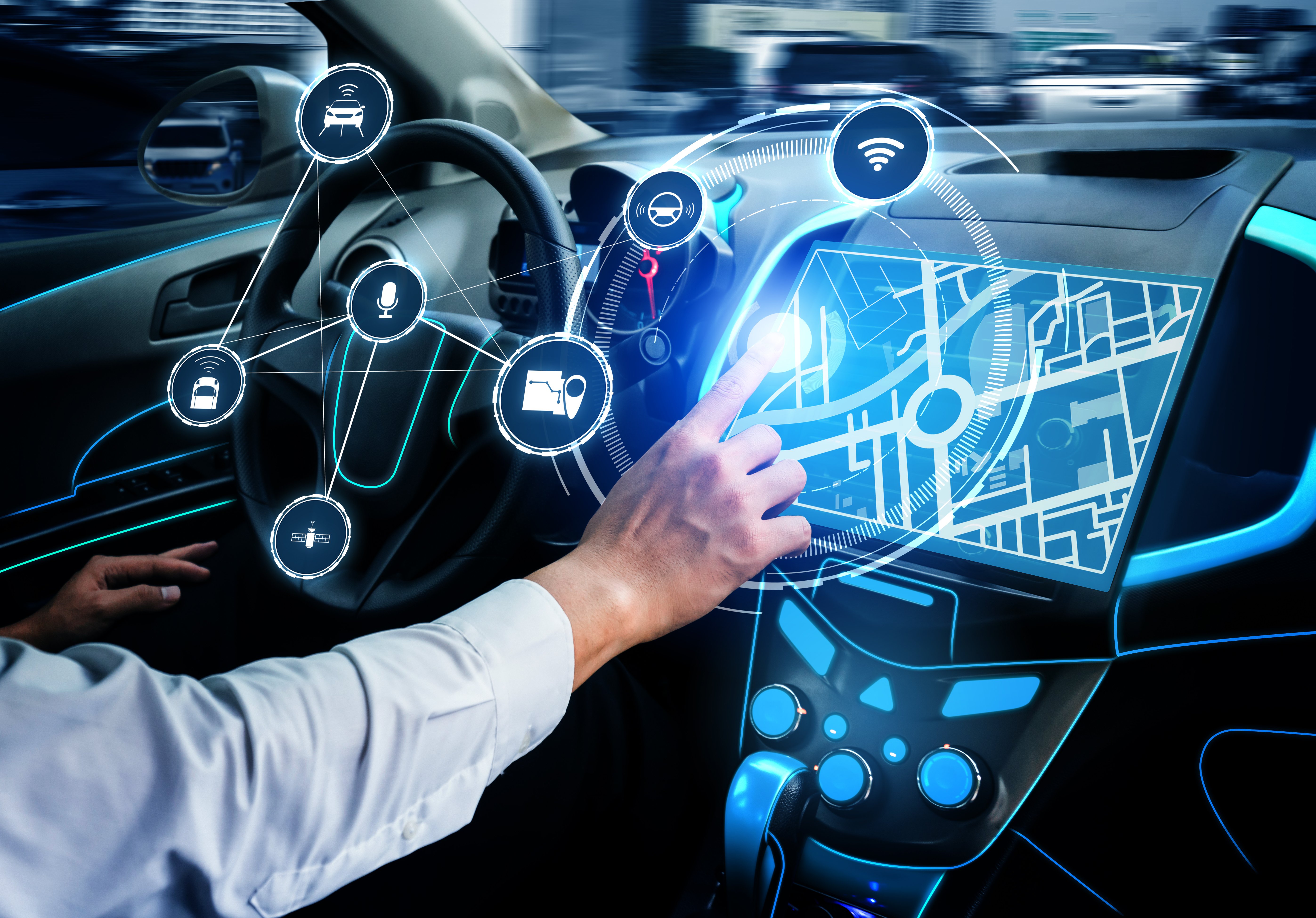
A software-defined vehicle is a vehicle whose key features and functions are primarily controlled and enhanced by software rather than hardware. This shift turns automobiles from mainly mechanical products into software-centric electronic devices on wheels, enabling much of their value to be delivered and updated digitally.
In the automotive industry, software-defined vehicles (SDVs) are rapidly becoming the new standard. As the vehicles people rely on every day evolve from mechanical marvels into digital powerhouses, the software layer has taken on a central role, pushing transportation further into a connected, intelligent future. While these developments are a major source of excitement, manufacturers must undergo a significant mindset shift to fully unlock the potential of SDVs.
In an SDV, a wide range of functions—including advanced driver assistance systems (ADAS), infotainment, connectivity, and vehicle diagnostics—is enabled, coordinated, and continuously improved through sophisticated software systems. This software-centric approach allows automakers to deliver new capabilities over time, optimize performance, and reimagine the vehicle as a dynamic digital platform rather than a fixed hardware product.
How has automotive technology evolved toward software-defined vehicles?
Over the past century, automotive technology has shifted from purely mechanical systems to complex electronic architectures and now to software-defined vehicles (SDVs). SDVs transform the car into a unified, computer-like platform where integrated features can be continuously updated, much like a smartphone, while still meeting strict functional safety requirements.
For nearly a century, cars relied almost entirely on mechanical components. In the late 1970s, small computers began to appear in vehicles, enabling the development of electronic and electric (EE) architectures. These architectures paved the way for modern cars with numerous dedicated, distributed control systems.
Today, the industry is transitioning into the era of SDVs. Unlike traditional vehicles where specific functionalities are managed by separate computers, SDVs integrate multiple features into a cohesive software-driven system. This integration allows for continuous updates and improvements, in a manner similar to how a smartphone operates.
The idea of a "smartphone on wheels" is becoming a reality, but with the added complexity of guaranteeing functional safety in a highly dynamic driving environment. SDVs must balance the flexibility of software updates with rigorous safety standards to ensure reliable performance on the road.
Business Mindset Transformation
The shift to software-defined vehicles (SDVs) requires a fundamental transformation in business strategy. Traditional automotive models have relied on long product cycles with limited changes, but SDVs demand continuous evolution of features and capabilities. Once an ECU entered production, its performance and technology were effectively frozen for 3–6 years, causing chipsets and software to become obsolete quickly. With SDVs, companies that innovate continuously can now bring their latest advancements into the vehicle, extend the product’s relevance, and move further ahead of the competition. This transformation opens new revenue streams and forces a rethinking of how engineering, development, and go-to-market strategies are managed.
Transitioning to SDVs creates a distinct set of challenges and opportunities for different stakeholders in the automotive ecosystem. For original equipment manufacturers (OEMs), it means operating in a new business reality where competition is constant, product differentiation depends on software, and innovation cycles are rapid. OEMs must align organizational structures, investment priorities, and partner ecosystems with a model that treats vehicles as upgradable platforms rather than static products.
For suppliers, the move toward SDVs requires integrating diverse functionalities into unified, software-centric systems. This calls for new skill sets, deeper collaboration across hardware and software domains, and closer coordination with OEMs to ensure seamless updates and compatibility over the vehicle’s lifetime. Successfully adapting to this transformation is essential for both OEMs and suppliers to keep pace with competitors in a fast-evolving market.
According to a research article by Global Market Insights, the market for software-defined vehicles was worth $35.8 billion in 2022 and is expected to grow by 22.1% per year from 2023 to 2032. This expansion is driven by several factors, including the potential for enhanced safety features, remote software updates, zero-emission powertrains, and the progression toward autonomous driving.
Consumer benefits of software-defined vehicles
Software-defined vehicles (SDVs) deliver a wide range of advantages for consumers, reshaping the driving experience and expanding what a vehicle can do in daily life. These benefits largely stem from the ability to update and customize the car through software rather than physical changes:
- Over-the-air updates: SDVs can receive remote software updates, keeping the vehicle current with the latest features and safety enhancements without visiting a service center. This supports ongoing improvements in performance, convenience, and protection for drivers and passengers.
- Personalized driving environment: SDVs can store and apply driver profiles, automatically adjusting seats, mirrors, lighting, and climate control to individual preferences. This level of personalization makes every journey more comfortable and tailored to the user.
- Enhanced diagnostics and predictive maintenance: Advanced software continuously monitors vehicle systems, enabling more accurate diagnostics and predictive maintenance. By identifying issues early, SDVs help reduce unplanned downtime and lower repair costs.
- Seamless integration with digital ecosystems: SDVs can connect smoothly with smart home platforms and mobile devices, allowing features such as remote control of home functions, synchronized calendars, and more integrated daily routines.
Overall, SDVs bring greater convenience, safety, and personalization to modern driving, while supporting a more connected and efficient lifestyle for consumers.
Privacy and Collaboration
Privacy and collaboration both play a critical role in the development of software-defined vehicles (SDVs). As these vehicles become more deeply integrated with digital technologies, they increasingly collect and transmit large volumes of data.
Ensuring that this data remains private and secure is essential for maintaining consumer trust and complying with regulatory requirements. Robust data protection safeguards sensitive information and helps manufacturers meet evolving legal and industry standards.
At the same time, collaboration among automakers, technology providers, and regulatory bodies is vital to advancing SDVs. Open collaboration supports the sharing of innovations and best practices, enabling faster development and deployment of new features while promoting compatibility and safety across the industry. Ultimately, balancing strong privacy protections with active collaboration allows SDV technologies to progress rapidly without compromising consumers' rights or data.
To explore software-defined vehicles in more detail, visit FPT's Automotive services at https://fptsoftware.com/industries/automotive.
You can also watch the recording of our recent LinkedIn Live session, “Accelerating Auto Innovation: Streamline & Scale in the SDV Era,” by clicking here.
Conclusion: The Future of Software-Defined Vehicles
The rise of software-defined vehicles (SDVs) represents a major milestone in the evolution of automotive technology. As cars transition from primarily mechanical machines to digital powerhouses, SDVs unlock a wide range of benefits, including enhanced safety, highly personalized features, and seamless integration with modern digital ecosystems.
However, fully realizing the potential of SDVs requires a profound shift in both business strategies and engineering practices. Embracing continuous software updates, fostering open collaboration across the industry, and ensuring robust data privacy will be critical to sustaining this transformation and building trust among users.
As the market for SDVs continues to expand, with significant growth projected over the coming years, both manufacturers and consumers stand to gain from this innovative leap. Ultimately, SDVs promise to deliver a safer, more efficient, and deeply personalized driving experience, heralding a new era of smart mobility.


