























The healthcare and medical device industries are undergoing a seismic shift, driven by advancements in artificial intelligence (AI), digital platforms, and connectivity. As medical technology continues to evolve, organizations must leverage cutting-edge digital solutions to improve patient outcomes, enhance operational efficiencies, and accelerate innovation. AI’s strength through augmentation provides healthcare professionals with the opportunity to spend more time and effort towards patients while assisting in more accurate diagnostic results at greater speeds.
Driving Innovation in Medical Device Software
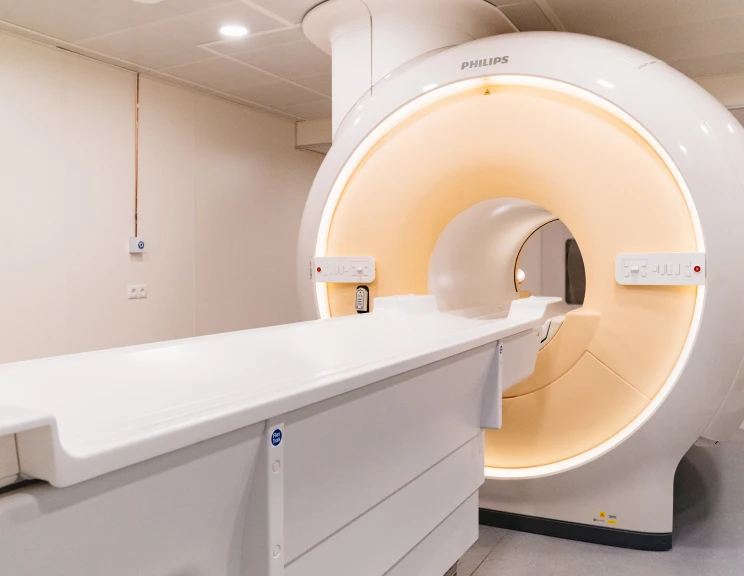
Medical devices are becoming increasingly sophisticated, integrating AI and digital platforms to enable smarter diagnostics and personalized treatments. Software development for various medical imaging and diagnostic devices, including CT scans, MRI machines, X-rays, and endoscopy systems, has been instrumental in transforming the field. By embedding AI-driven analytics, these devices can offer faster and more precise diagnostics, helping healthcare professionals make informed decisions with greater accuracy. Being able to provide greater accuracy at quicker rates can make all the difference. According to a survey conducted by McKinsey, over 70% of the questioned organizations are either pursuing or implemented generative AI – further proof that AI has a clear place in the future of healthcare.
A key example of this AI-driven transformation is the application of machine learning in early disease detection. AI-powered diagnostic solutions now assist in identifying early-stage lung cancer using CT scans, detecting tumors in ultrasound imaging, and aiding orthodontists with cephalometric analysis. These advancements significantly enhance the efficiency and reliability of medical imaging while reducing costs and development time. These factors play a significant role in providing the best care possible without hiking operational expenses.
Empowering Digital Platforms for Connected Healthcare
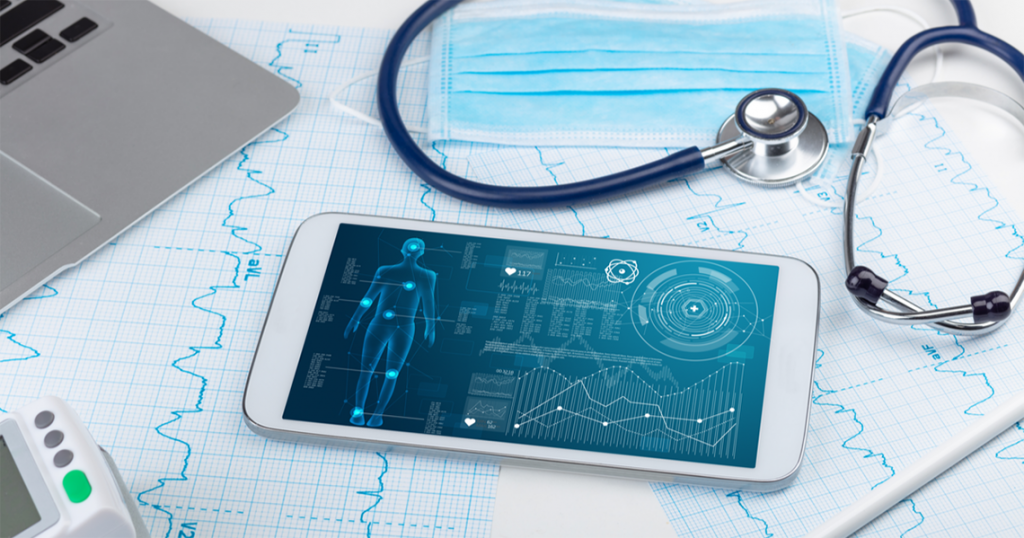
Beyond individual devices, the development of digital platforms that integrate various healthcare technologies is playing a pivotal role in the industry. By connecting multiple devices and centralizing data collection, these platforms provide comprehensive insights for healthcare providers.
The ability to aggregate and analyze real-time data from medical devices enables more personalized patient care. AI-powered insights help detect health anomalies early, reducing the need for unnecessary hospital visits and enabling more effective remote monitoring solutions. The demand for telehealth and remote monitoring has skyrocketed in recent years, with connected devices offering patients greater convenience while ensuring timely medical intervention. By providing a broader spectrum of tools to both patients and healthcare professionals alike, the standard in which care is provided drastically increases.
The Competitive Edge: Agility and Global Integration
Combining agility and scale is crucial for success. Companies that balance personalized attention with robust global infrastructure gain a competitive advantage.
One of the key benefits of leveraging a global workforce is cost-effective and time-zone-friendly solutions for North American and European clients. Emerging technology outsourcing hubs provide a lower attrition rate than traditional locations, ensuring stability and consistency in software development and support services. This dynamic approach enables organizations to maintain operational efficiency while driving forward digital healthcare innovation.
The Future of Medical Technology: Smarter, More Connected, and More Personalized
The future of medical technology is being shaped by advancements in AI, connectivity, and personalized healthcare solutions. Medical devices are becoming more intelligent, capable of providing precise diagnostics, and increasingly leveraging real-time data for better patient outcomes.
The integration of remote monitoring and telehealth solutions is set to revolutionize healthcare delivery, reducing the burden on hospitals while providing patients with better access to medical expertise. By embracing AI-powered medical technology, digital platforms, and seamless connectivity, organizations are paving the way for smarter, more connected, and more efficient healthcare solutions.
An example of this is AI Scribe, developed by FPT. It’s a generative AI-powered Speech-to-Text solution designed to streamline clinical documentation and boost operational efficiency in healthcare. Utilizing advanced speech recognition models and OpenAI’s generative AI, AI Scribe transcribes spoken medical information into structured electronic health records (EHRs) in compliance with the HL7 FHIR standard. By continuously learning and adapting to the unique needs of healthcare professionals, AI Scribe transforms documentation into efficient, compliant record-keeping, facilitates informed decision-making with quick data retrieval, and optimizes workflows. Tools such as these empower a shift to truly patient-centric care. You can learn more about the AI Scribe tool here.
As the industry continues to evolve, those that invest in AI, cloud computing, and end-to-end software solutions will be best positioned to drive innovation and improve patient care. The medical technology landscape is on the brink of a transformative era, where intelligent devices and digital ecosystems redefine healthcare delivery.


